


Should I Turn On My Furnace Before Winter? 10 Things to Check
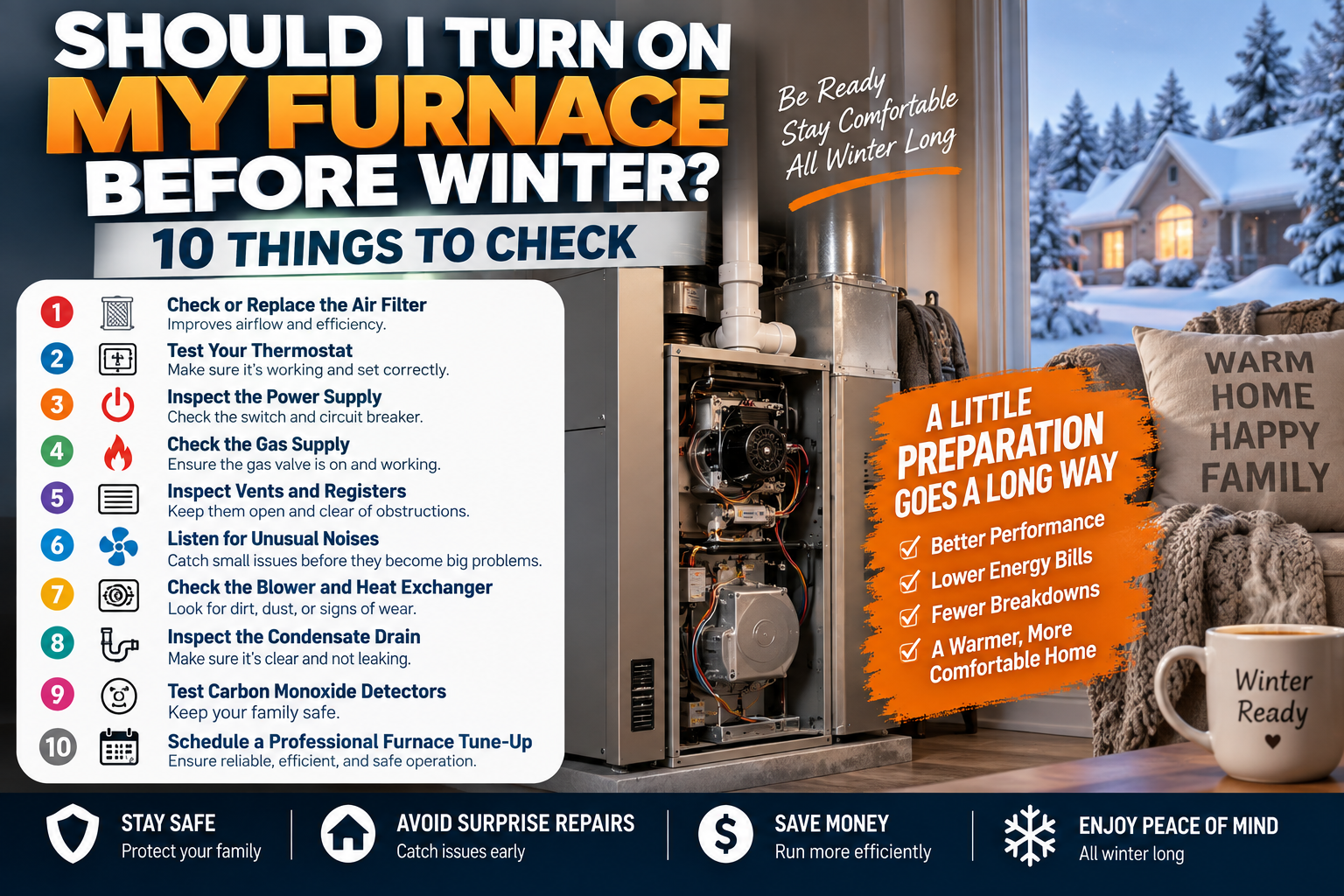
Should I Turn On My Furnace Before Winter? 10 Things to Check First
In Southern California, your furnace can sit unused for months.
Then the first cold night arrives.
You turn up the thermostat—and suddenly discover the furnace won’t start, makes an unusual noise, shuts down repeatedly or isn’t heating the house properly.
That’s why fall is an excellent time to test your heating system before you actually need it.
You don’t have to wait until your home is cold.
Running the furnace ahead of heating season gives you an opportunity to identify potential problems while temperatures are still comfortable.
Here are 10 things homeowners can check when preparing their furnace for fall and winter.
Key Takeaways
- Test your furnace before the first cold night.
- Check the filter and make sure supply and return vents aren’t blocked.
- A brief dusty odor during the first heating cycle can occur after months of inactivity.
- Watch for unusual noises, repeated shutdowns and abnormal odors.
- Make sure the thermostat actually reaches the desired temperature.
- Fall furnace maintenance can help identify developing problems before peak heating season.
1. Turn the Furnace On Before You Actually Need It
Don’t make the first cold night of the year your furnace’s first test.
Choose a cooler fall morning and set your thermostat to HEAT.
Raise the thermostat several degrees above the current indoor temperature so the system receives a clear call for heat.
Then observe what happens.
The furnace should begin its normal startup sequence and eventually deliver warm air through the supply registers.
Modern furnaces go through several steps before warm air reaches the home, so a short delay doesn’t automatically indicate a problem.
The purpose of this test is to confirm that the complete system actually operates before colder weather arrives.
2. Check Your Air Filter
Before heating season begins, inspect the HVAC filter.
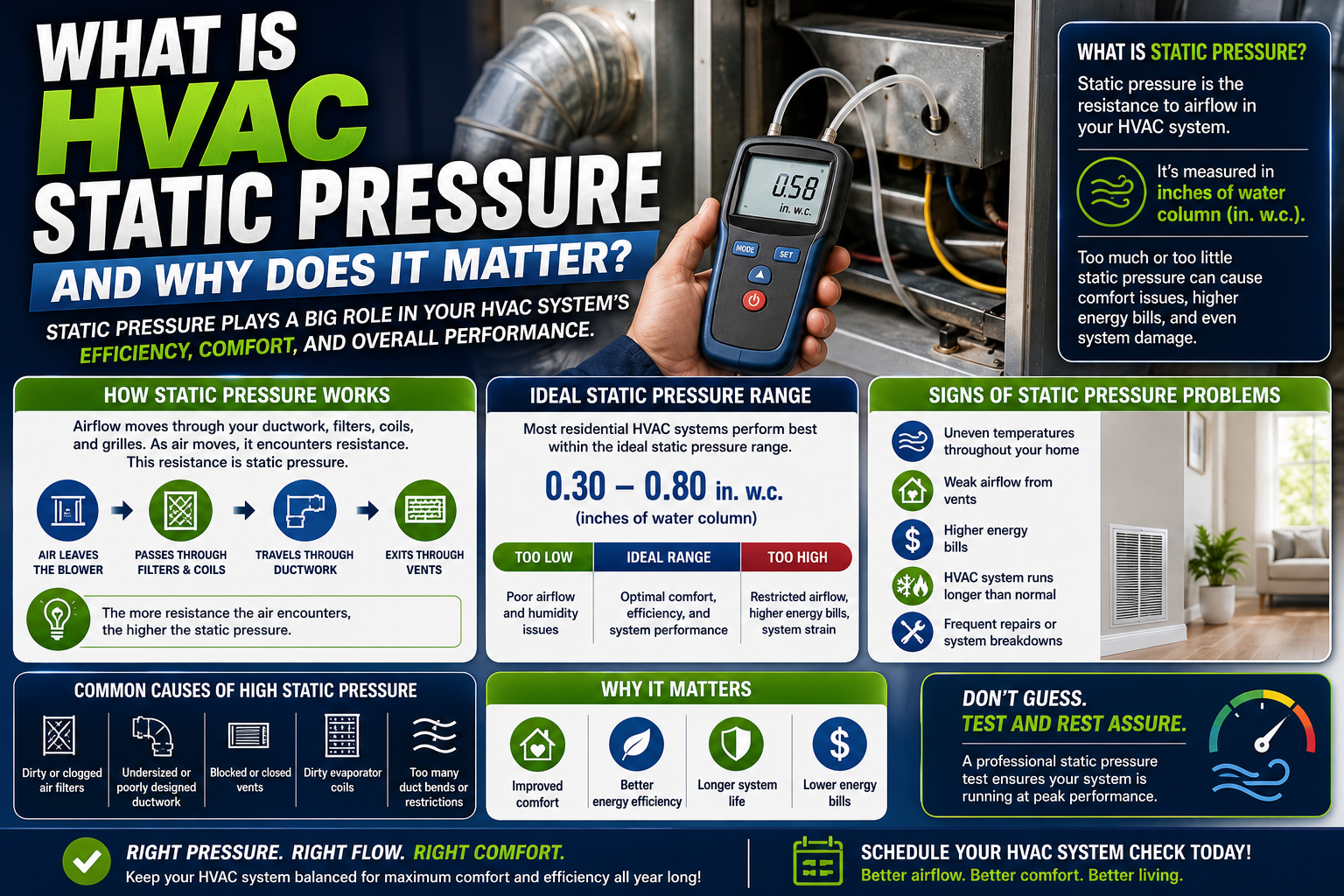
A dirty filter can restrict airflow through the furnace.
Restricted airflow may contribute to:
- Weak airflow
- Longer heating cycles
- Reduced comfort
- Increased energy use
- Furnace overheating
- Unnecessary stress on equipment
Don’t automatically assume that the most restrictive filter is best.
The filter needs to provide appropriate filtration without creating excessive resistance for the HVAC system.
If you’re unsure which filter your system requires, ask your HVAC professional.
3. Make Sure Return-Air Grilles Aren’t Blocked
Your furnace doesn’t simply push warm air into the house.
It also needs to bring air back to the equipment.
That’s the job of the return-air system.
Make sure large return grilles aren’t blocked by furniture, boxes or other objects.
Restricted return airflow can affect overall system performance.
This is especially important after furniture has been rearranged or rooms have been remodeled during the year.
4. Open and Inspect Your Supply Registers
Walk through the house and check the supply registers.
Make sure they’re open and aren’t covered by furniture, rugs or other items.
When the furnace begins running, compare airflow between rooms.
You aren’t trying to perform a professional airflow test.
You’re looking for obvious differences.
If one room has strong airflow and another has almost none, there may be a duct or airflow issue worth investigating.
5. Pay Attention to the First Heating Smell
When a furnace hasn’t operated for months, dust may have accumulated on components.
During the first heating cycle, you may notice a temporary dusty or warm smell.
That can happen when heating season begins.
However, there’s an important difference between a temporary dusty odor and something that smells like:
- Burning electrical insulation
- Melting plastic
- Strong smoke
- Natural gas
Those conditions should not be treated as an ordinary seasonal furnace smell.
If you smell gas, see smoke, experience a carbon-monoxide alarm or believe there’s an immediate safety issue, leave the affected area and follow the appropriate emergency or utility guidance.
6. Listen to the Furnace
Homeowners often know what their HVAC system normally sounds like.
During your fall test, listen for anything noticeably different.
Examples include:
- Grinding
- Screeching
- Rattling
- Repeated clicking
- Banging
- Buzzing
- Repeated attempts to start
One sound doesn’t automatically identify a failed component.
But a new or unusual sound is valuable information.
Pay attention to when it happens.
Does the noise occur before ignition?
When the burners start?
When the blower starts?
When the furnace shuts down?
Those details can help an HVAC technician diagnose the problem.
7. Check Whether Warm Air Reaches Every Room
Don’t just stand next to one register.
Walk through the house.
Does the living room warm normally while one bedroom remains cold?
Is the upstairs considerably warmer than downstairs?
Is airflow weak at the end of the house?
Uneven temperatures don’t automatically mean the furnace is failing.
The issue could involve:
- Duct design
- Duct leakage
- Airflow
- Return-air pathways
- Insulation
- Windows
- Building orientation
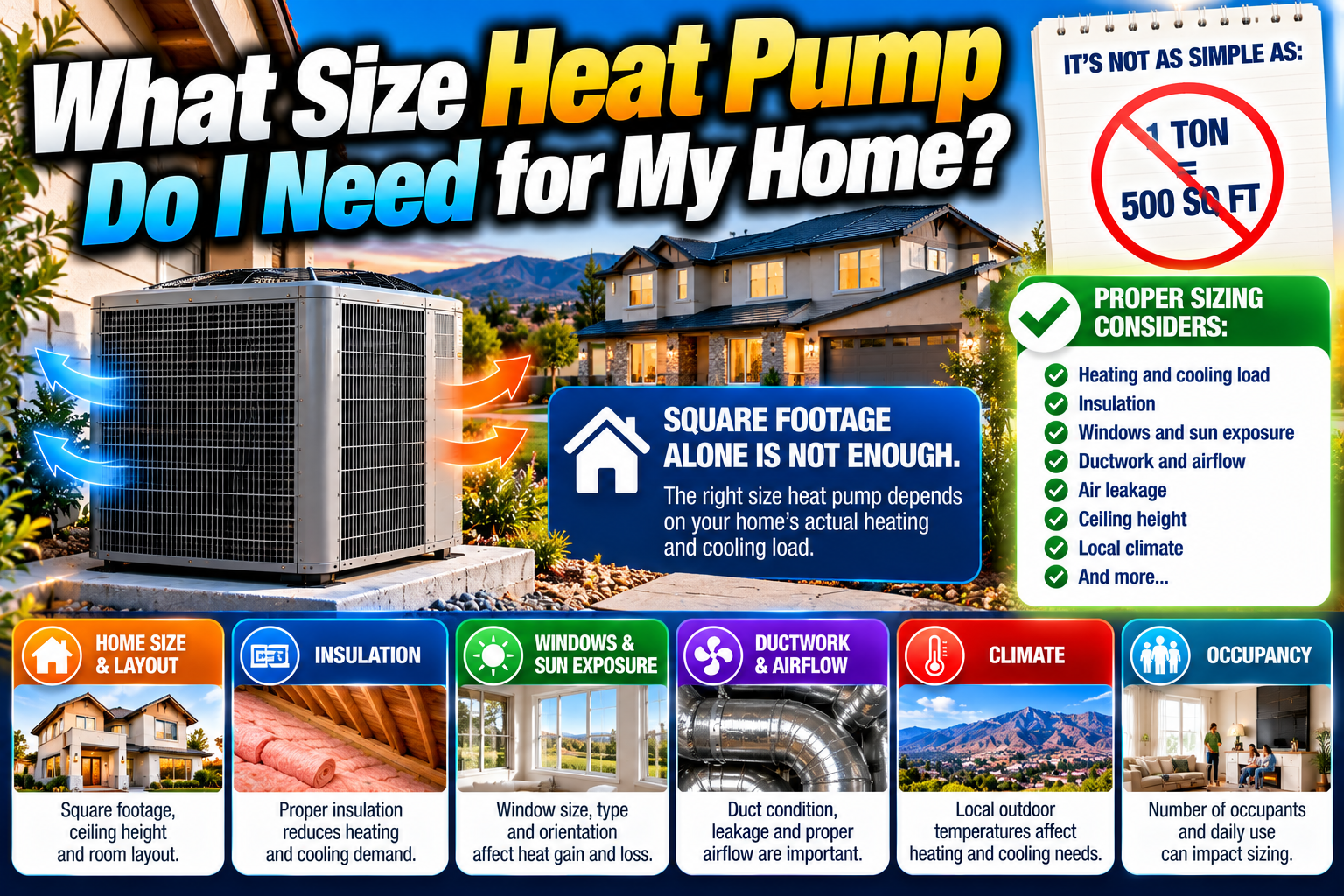
- Equipment sizing
This is why comfort should be evaluated as a whole-house system, not just a furnace.
8. Make Sure the Furnace Can Reach the Thermostat Setting
Allow the system to complete a normal heating cycle.
Suppose the house is 67°F and you set the thermostat to 71°F.
Does the home eventually reach approximately the requested temperature?
Or does the furnace run continuously without getting there?
A furnace that operates but can’t maintain temperature deserves further investigation.
The problem could be the heating equipment, but it could also involve airflow, ductwork, thermostat location, equipment capacity or excessive heat loss from the home.
9. Watch for Short Cycling
Pay attention to how frequently the furnace turns on and off.
A heating system shouldn’t necessarily run for the same amount of time during every cycle. Runtime varies with outdoor temperature, thermostat settings, system capacity and the home’s heating load.
However, repeated very short cycles can indicate a problem.
Possible causes include airflow restrictions, controls, overheating, thermostat issues, equipment sizing or other operating conditions.
If your furnace repeatedly starts and stops without properly heating the home, don’t simply keep resetting it.
Have the cause diagnosed.
10. Schedule Heating Maintenance Before Peak Season
Fall is a convenient time to schedule furnace maintenance because you’re preparing the equipment before the period when you depend on it most.
A professional heating inspection can go beyond what a homeowner can safely observe.
Depending on the equipment, technicians may evaluate areas such as:
- Furnace operation
- Ignition
- Electrical components
- Safety controls
- Blower operation
- Filter condition
- Airflow
- Temperature performance
- Thermostat operation
- Overall system condition
Advanced Heating & Air Conditioning’s heating-maintenance program is designed to identify problems such as weak heating, airflow restrictions, ignition and startup issues, unusual noises, overheating and cycling problems before they turn into unexpected breakdowns.
Why Testing Your Furnace Early Matters in Southern California
Southern California heating season is different from climates where furnaces operate continuously for months.
Around Temecula, Murrieta, Menifee, Winchester and Lake Elsinore, homeowners may go long periods without using their heat.
That creates a simple problem:
You might not know something is wrong until the first time you need the furnace.
Testing it early gives you time to address an issue without waking up to a cold house and suddenly needing heating service.
What If My Furnace Doesn’t Turn On?
Start with the basics.
Verify that the thermostat is set to HEAT and that the desired temperature is above the current indoor temperature.
Check the filter.
Make sure obvious HVAC power switches haven’t accidentally been turned off.
If the furnace begins its startup sequence but never produces heat, repeatedly starts and stops, or won’t operate at all, professional diagnosis may be necessary.
Advanced’s furnace-repair service covers problems including no heat, ignition issues, unusual noises and furnaces that won’t turn on.
Should I Replace My Furnace Just Because It’s Old?
No.
Age is important, but it shouldn’t be the only factor.
A furnace’s condition, maintenance history, repair history, efficiency, comfort performance and the cost of upcoming repairs should all be considered.
An older furnace that’s operating safely and reliably isn’t automatically required to be replaced simply because it reaches a particular birthday.
Likewise, repeatedly investing in major repairs on an aging furnace may eventually stop making financial sense.
Evaluate the whole situation, not just the age printed on the equipment label.
Frequently Asked Questions
When should I turn my furnace on for the first time?
You don’t need to wait until winter. Testing your furnace during fall gives you time to identify potential problems before colder weather arrives.
How long should I run my furnace when testing it?
Allow it to complete a normal heating cycle and verify that the home begins warming toward the thermostat setting.
Is a smell normal the first time I turn on my heater?
A temporary dusty odor can occur after the heating system has been unused for months. Strong electrical, melting-plastic, smoke or gas odors should be treated differently.
Should I change my furnace filter before winter?
Fall is a good time to inspect the filter and replace it if necessary. Proper airflow is important for furnace performance.
Why won’t my furnace start after sitting all summer?
Possible causes range from thermostat or power issues to ignition, electrical, control, venting or other furnace problems. The actual cause should be diagnosed rather than assumed.
Should furnace maintenance be done in fall?
Fall is an excellent time because it allows developing heating problems to be identified before the furnace is needed regularly.
Do Southern California homes really need furnace maintenance?
Heating equipment may run fewer hours than in colder climates, but it still relies on combustion or electrical components, airflow, controls, motors and safety devices. Long periods of inactivity don’t eliminate the need to verify proper operation.
Get Your Heating System Ready for Fall & Winter
The best time to discover a furnace problem is before the night you actually need the heat.
If you’re preparing your home for the upcoming heating season, Advanced Heating & Air Conditioning provides heating maintenance, furnace repair, furnace installation and heat-pump services throughout the Temecula Valley. Advanced Heating & Air Conditioning services all makes and models and serves communities throughout the surrounding region.
Serving Temecula, Murrieta, Menifee, Winchester, Wildomar, French Valley, Canyon Lake, Lake Elsinore, Hemet and surrounding communities.
Advanced Heating & Air Conditioning
951-609-9881
California Contractor License #916901
AdvancedHeatingAndAir.com
REAL PEOPLE. REAL SERVICE. REAL COMFORT.