


How Often Should You Have Your HVAC System Serviced?
How Often Should You Have Your HVAC System Serviced? A Complete Homeowner’s Guide
Your heating and cooling system is one of the hardest-working systems in your home. During the hot summers in Temecula, Murrieta, Menifee, Lake Elsinore, Winchester, Hemet, and surrounding communities, it’s not uncommon for an air conditioner to run for hours every day.
Many homeowners ask:
- How often should I service my HVAC system?
- Is annual maintenance really necessary?
- What happens during a maintenance visit?
- Does HVAC maintenance actually save money?
These are excellent questions. The truth is that routine maintenance is one of the best investments you can make in your home. A well-maintained HVAC system typically operates more efficiently, experiences fewer unexpected breakdowns, and can last significantly longer than a neglected system.
In this guide, we’ll explain why HVAC maintenance matters, what technicians inspect during a tune-up, how often you should schedule service, and how preventive maintenance can help you avoid costly repairs.
Why HVAC Maintenance Is So Important
Most homeowners wouldn’t drive their vehicle for years without changing the oil. The same idea applies to your HVAC system. Your heating and cooling equipment contains motors, electrical components, refrigerant, coils, fans, safety controls, and moving parts that experience wear every time the system operates.
Without regular maintenance:
- Dirt accumulates.
- Components wear prematurely.
- Electrical connections loosen.
- Airflow decreases.
- Efficiency declines.
- Small issues become expensive repairs.
Routine maintenance allows technicians to identify potential problems before they leave you without heating or cooling.
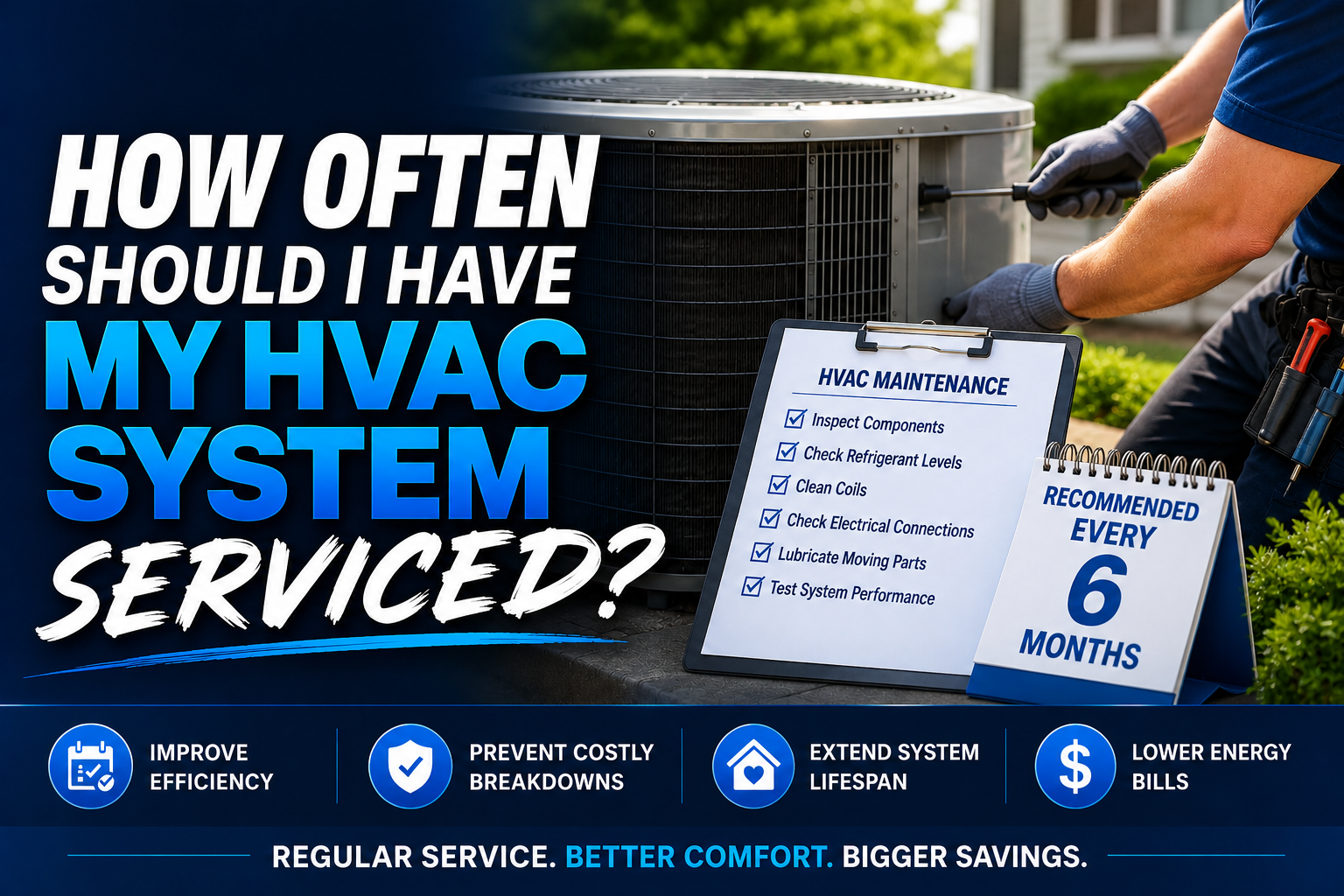
How Often Should You Schedule HVAC Maintenance?
For most homes, the recommendation is:
Air Conditioner
Once every spring
Scheduling maintenance before summer helps ensure your system is prepared for high temperatures and increased demand.
Heating System
Once every fall
Before cooler weather arrives, your heating system should be inspected for safe and reliable operation.
Heat Pump Systems
Because heat pumps provide both heating and cooling, they operate nearly year-round. For this reason, most manufacturers recommend servicing them twice each year.
Commercial HVAC Systems
Commercial equipment often operates for much longer periods than residential systems. Restaurants, offices, retail buildings, schools, and warehouses typically benefit from quarterly maintenance programs to help reduce downtime and extend equipment life.
What Happens During an HVAC Maintenance Visit?
Many homeowners assume maintenance simply means changing the air filter. A professional tune-up is much more comprehensive.
A typical maintenance appointment may include:
- Inspecting the thermostat
- Checking refrigerant levels
- Measuring temperature differences across the system
- Cleaning or inspecting condenser coils
- Inspecting the evaporator coil
- Cleaning the condensate drain line
- Inspecting blower components
- Testing capacitors
- Inspecting contactors
- Tightening electrical connections
- Checking voltage and amperage
- Lubricating moving parts when applicable
- Inspecting safety controls
- Examining duct connections
- Measuring airflow
- Inspecting insulation around refrigerant lines
- Checking for unusual noises or vibration
- Inspecting outdoor equipment for damage or debris
The goal is not only to improve efficiency but also to identify issues before they become major repairs.
Benefits of Preventive HVAC Maintenance
Improved Energy Efficiency
A clean, properly adjusted HVAC system doesn’t have to work as hard to cool or heat your home. That often translates into lower monthly utility costs.
Fewer Unexpected Repairs
Many emergency breakdowns begin as small problems. Loose electrical connections, weak capacitors, dirty coils, or restricted airflow can often be identified before they result in system failure.
Longer Equipment Life
Replacing an HVAC system is a significant investment. Routine maintenance helps reduce unnecessary wear and can extend the life of your equipment.
Better Indoor Comfort
Maintenance helps your system deliver consistent airflow and more even temperatures throughout your home.
Improved Indoor Air Quality
During maintenance, technicians inspect filters, blower components, and other areas that affect the air circulating through your home. A cleaner system can contribute to healthier indoor air.
What Happens If You Skip Maintenance?
Skipping maintenance may not cause an immediate breakdown. However, over time it increases the likelihood of problems such as:
- Dirty evaporator coils
- Frozen air conditioners
- Refrigerant issues
- Drain line clogs
- Weak airflow
- High electric bills
- Compressor damage
- Blower motor failure
- Reduced cooling capacity
Many of these repairs are significantly more expensive than routine maintenance.
Signs Your HVAC System Needs Service Now
Even if your next scheduled maintenance visit is months away, don’t ignore these warning signs:
Higher Electric Bills
A sudden increase in energy usage may indicate your system is working harder than necessary.
Uneven Temperatures
If some rooms feel comfortable while others remain warm, airflow issues or equipment problems may be developing.
Strange Noises
Grinding, squealing, rattling, buzzing, or banging noises should always be investigated.
Weak Airflow
Reduced airflow can indicate blower issues, clogged filters, dirty coils, or duct problems.
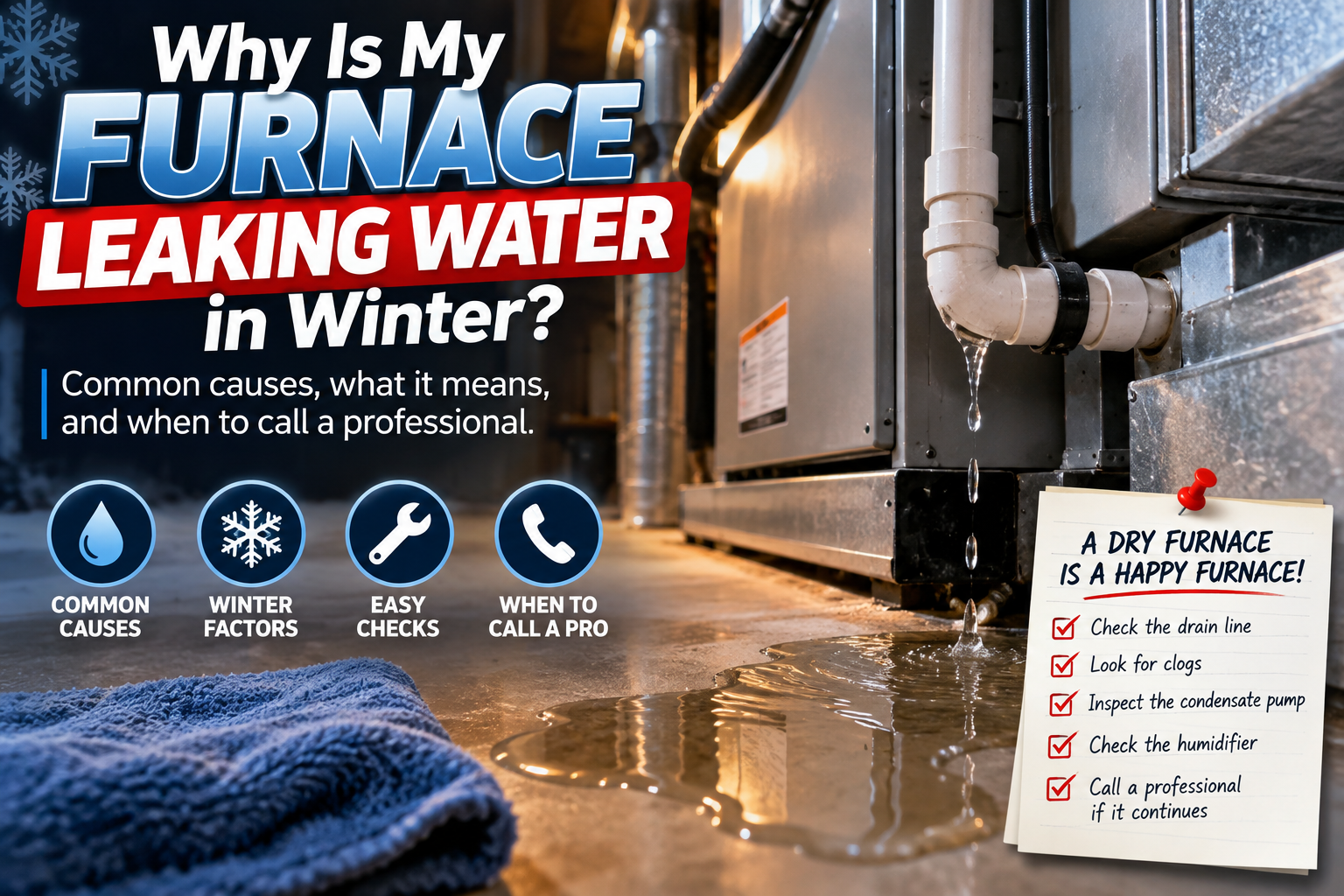
Water Around the Indoor Unit
Water near your indoor equipment may indicate a clogged condensate drain or other issue requiring attention.
Frequent Cycling
If your system constantly turns on and off, it could be caused by thermostat problems, airflow restrictions, oversized equipment, or electrical issues.
Homeowner Maintenance Between Professional Visits
While professional inspections are essential, homeowners also play an important role in maintaining their HVAC systems. Here are a few simple tasks:
Replace Air Filters
Inspect filters monthly and replace them as needed.
Keep Outdoor Units Clear
Maintain at least two feet of clearance around the condenser. Remove leaves, weeds, and debris.
Keep Supply and Return Vents Open
Avoid blocking vents with furniture, rugs, or curtains.
Monitor Your Thermostat
If your system suddenly begins running longer than usual, it’s worth having it inspected before the problem becomes worse.
Schedule Service Before Peak Seasons
Spring and fall are ideal times to schedule maintenance before HVAC companies become busiest.
Why HVAC Maintenance Is Especially Important in Temecula and Murrieta
Homes throughout Southwest Riverside County experience long periods of high summer temperatures. Air conditioners often operate daily for months. That increased workload places additional stress on HVAC equipment.
Routine maintenance helps prepare your system for these demanding conditions while reducing the likelihood of unexpected breakdowns during the hottest days of the year.
Frequently Asked Questions
Is HVAC maintenance worth the money?
Routine maintenance often helps reduce repair costs, improve efficiency, and extend equipment life, making it a valuable investment for many homeowners.
How long does HVAC maintenance take?
Most residential maintenance appointments take between 60 and 90 minutes, depending on the equipment and any issues discovered.
Can maintenance prevent every repair?
No. Mechanical equipment can fail unexpectedly. However, regular inspections often identify developing problems before they become major repairs.
How often should commercial HVAC systems be serviced?
Commercial equipment is typically serviced quarterly because it usually operates more frequently than residential systems.
Should I maintain a newer HVAC system?
Yes. Even new equipment benefits from routine inspections, cleaning, and manufacturer-recommended maintenance.
Why Preventive Maintenance Saves Money
Many homeowners focus only on repair costs. The bigger picture includes:
- Lower monthly utility bills
- Fewer emergency repairs
- Longer equipment life
- Improved comfort
- More reliable heating and cooling
- Better indoor air quality
Over time, preventive maintenance often costs less than repeatedly addressing avoidable breakdowns.
Conclusion
Your HVAC system works hard every day to keep your family comfortable. Like any major investment, it performs best when it’s properly maintained.
Scheduling professional maintenance every spring for your air conditioner and every fall for your heating system—or twice a year for heat pumps—is one of the simplest ways to improve efficiency, reduce unexpected repairs, and extend the life of your equipment.
If you’ve gone more than a year without having your HVAC system inspected, now is an excellent time to schedule a professional tune-up. A small investment in maintenance today can help prevent costly repairs tomorrow.